
Cardiometabolic Statistics: Why Numbers Matter
Understanding the scope of cardiometabolic disease and the importance of prevention.
The Hidden Crisis
A silent epidemic affecting millions before retirement age.
Cardiovascular Disease: Key Statistics
- Cardiovascular disease is the leading cause of death in the United States
- In 2023, about 919,000 deaths were attributed to cardiovascular disease
- This represents roughly 1 in every 3 deaths
- A death occurs every ~34 seconds from cardiovascular disease
A Rising Cardiometabolic Challenge
A large and growing burden, with many individuals undiagnosed or at high risk.
Diabetes in U.S. Adults
Total prevalence:
40.1 million people (12% of the U.S. population)
Diagnosed diabetes:
29.1 million people
Undiagnosed diabetes:
11.0 million people (~27.6%)
Prediabetes:
115.2 million adults (over 2 in 5)
New cases:
~1.5 million new diabetes diagnoses annually
Overweight and Obesity: A Growing Public Health Concern
High and rising prevalence across both adults and children reflects a significant cardiometabolic risk burden.
Adults
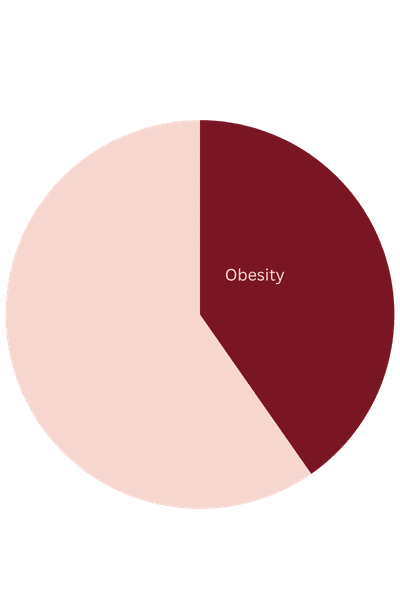
- 40.3% of U.S. adults have obesity
- Nearly 1 in 3 adults (31.7%) are overweight
- About 1 in 10 adults (9.7%) have severe obesity
Children& Adolescents (Ages 2-19)
- About 1 in 5 (21.1%) have obesity
- About 1 in 7 (15.7%) are overweight
- About 1 in 14 (7.0%) have severe obesity
Why South Asians Face Higher Cardiometabolic Risk
A distinct risk profile characterized by earlier onset, higher metabolic vulnerability, and underrecognized risk.
South Asian Cardiometabolic Risk
Coronary Artery Disease
- Nearly 2× higher risk compared to other ethnic groups
- Often present with fewer traditional risk markers
Type 2 Diabetes
- Up to 4× higher risk
- Develops at a younger age and lower BMI
- Higher insulin resistance despite “normal” weight
Early Heart Attacks
- Occur ~10 years earlier
- More common in the 30s–40s
- Risk may be underestimated due to standard lipid profiles
Lower BMI & LDL — Still Higher Risk
- Thin outside, fat inside (TOFI) phenotype
- Higher visceral fat despite lower body weight
- Normal LDL, but higher small dense particles and inflammation
South Asians need earlier screening, culturally tailored interventions, and lifestyle changes—regardless of BMI or cholesterol.
Know the Statistics.
Don’t become one.
This content is for educational purposes only and is not a substitute for professional medical advice, diagnosis, or treatment. Please consult your physician or qualified healthcare provider for personalized guidance.
Learn more about Aikyaa’s Terms of Use and Copyright Policy →
“Aikyaa” refers to Aikyaa Heart Health & Wellness PLLC.