
Understanding this major driver of cardiometabolic health
What is Diabetes?
A chronic metabolic condition characterized by elevated blood glucose levels.
Diabetes: Overview
- Diabetes = chronic condition of elevated blood glucose
- Caused by insulin resistance, impaired insulin secretion, or both
- Often develops gradually and silently
- Strongly linked to cardiometabolic risk
Types of Diabetes
A silent epidemic affecting millions before retirement age.
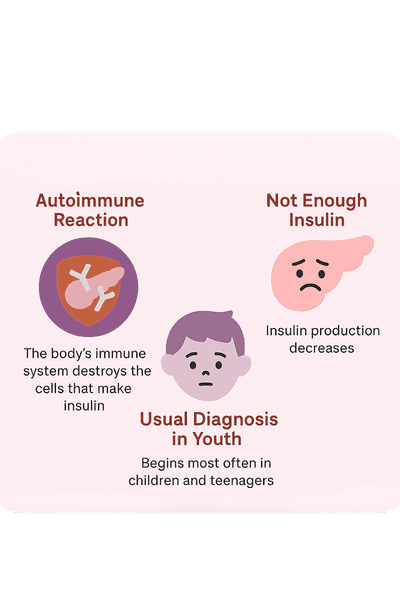
Type 1 Diabetes
- Autoimmune destruction of insulin-producing cells
- Typically presents at a younger age
- Requires lifelong insulin therapy
Type 2 Diabetes
- Driven by insulin resistance and relative insulin deficiency
- Most common form
- Strongly linked to lifestyle and metabolic factors
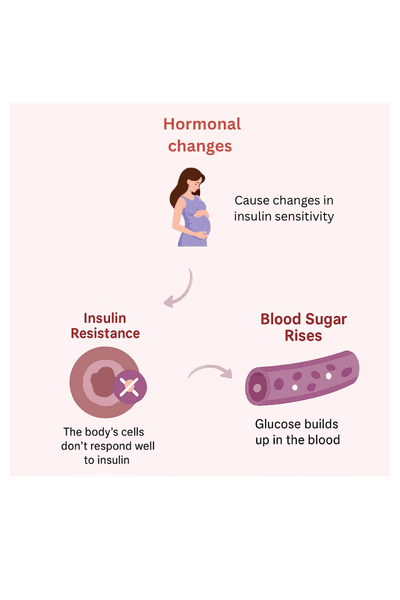
Gestational Diabetes
- Occurs during pregnancy
- Usually resolves after delivery
- Increases future risk of Type 2 diabetes
- Associated with high birth weight and preterm delivery
- Increases child’s future metabolic risk
Pre-diabetes
An early stage of impaired glucose regulation with high risk of progression to diabetes.
Pre-diabetes: Overview
- Blood glucose levels higher than normal, but not yet in the diabetes range
- Often asymptomatic and underdiagnosed
- Significant risk of progression to Type 2 diabetes
- Associated with increased cardiovascular risk
Lifestyle changes can prevent, delay, or reverse progression to diabetes.
Pre-diabetes is often asymptomatic.
Don’t wait for symptoms—get tested early and act.
Risk Factors for Diabetes
Multiple factors contribute to the development of diabetes, often acting together over time.
Major Risk Factors
Genetic & Family Factors
- Family history of diabetes
- Autoimmune predisposition (Type 1 diabetes)
Insulin Resistance & Body Weight
- Insulin resistance (key driver of Type 2 diabetes)
- Overweight and obesity
- Central/visceral fat accumulation
Lifestyle Factors
- Unhealthy diet (high in refined carbohydrates and processed foods)
- Physical inactivity
- Sedentary behavior
Environmental & Medical Factors
- Viral triggers in genetically predisposed individuals (Type 1 diabetes)
- Certain medications (e.g., corticosteroids, antipsychotics)
- Pancreatic injury (pancreatitis, surgery, trauma)
Age & Hormonal Factors
- Advancing age (≥45 years)
- Hormonal changes during pregnancy (gestational diabetes)
Early awareness, lifestyle change, and regular screening can delay or prevent the onset of diabetes.
Common Symptoms of Diabetes
Symptoms may be subtle early and become more noticeable as blood glucose levels rise.
Symptoms to Be Aware Of
- Increased thirst and frequent urination
- Increased appetite
- Unexplained weight loss or gain
- Fatigue
- Blurred vision
- Slow healing wounds
- Frequent infections (skin, urinary tract, and vaginal infections)
- Tingling or numbness in hands and feet
Know your symptoms—but don’t wait for them. Check your blood sugar early.
Complications of Diabetes
Long-term elevated blood glucose can affect multiple organs and systems.
Microvascular
- Diabetic retinopathy (vision loss)
- Diabetic nephropathy (chronic kidney disease)
- Diabetic neuropathy (pain, numbness, autonomic dysfunction)
Macrovascular
- Coronary artery disease (heart attacks)
- Peripheral artery disease (limb ischemia, ulcers)
- Stroke
Other Complications
- Recurrent infections (skin, urinary, vaginal)
- Delayed wound healing
- Diabetic foot complications (ulcers, amputations)
Protect your organs. Act early.
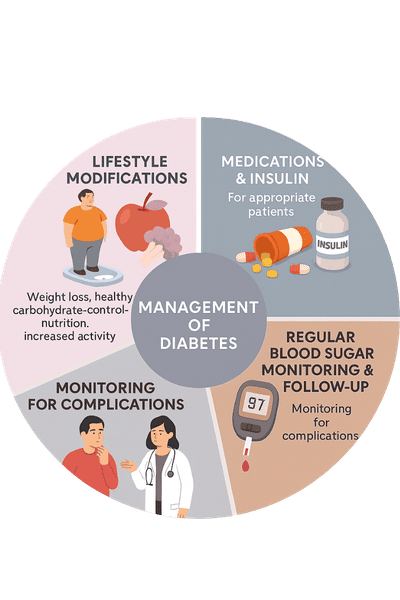
Lifestyle changes can be a game changer—helping prevent, delay, and even reverse early diabetes while reducing complications.
Stop diabetes before it starts—
learn, act, prevent.
This content is for educational purposes only and is not a substitute for professional medical advice, diagnosis, or treatment. Please consult your physician or qualified healthcare provider for personalized guidance.
Learn more about Aikyaa’s Terms of Use and Copyright Policy →
“Aikyaa” refers to Aikyaa Heart Health & Wellness PLLC.