
Hypertension (High Blood Pressure)
Understanding risk early. Preventing damage before it begins.
Hypertension Overview
A common, cardiometabolic condition — with significant long-term impact on cardiovascular health.
What Is Hypertension?
- Hypertension is a chronic elevation of blood pressure — the force exerted by circulating blood against the arterial walls.
- Over time, this persistent pressure leads to vascular injury, endothelial dysfunction, and target organ damage.
Often silent — yet clinically significant, with real consequences.
Why Does It Matter?
Hypertension is a major cardiometabolic risk driver for
- Heart disease & heart failure
- Stroke
- Chronic kidney disease
- Premature cardiovascular mortality
Damage begins long before symptoms appear.
Impact & Epidemiology
A common condition across populations — with measurable differences in prevalence and risk.
Global & U.S. Impact
- Nearly 1 in 2 U.S. adults have elevated blood pressure
- Leading contributor to global cardiovascular mortality
- Strongly linked to stroke and ischemic heart disease burden
High prevalence. Low awareness. Significant risk.
Who Is Most Affected?
Prevalence varies across populations:
- Non-Hispanic Black adults: ~56%
- Asian adults: ~46%
- Hispanic adults: ~39%
Influenced by:
- Genetics
- Diet (especially sodium sensitivity)
- Metabolic health
- Access to care
Risk Factors
A common condition across populations — with measurable differences in prevalence and risk.
Modifiable Risk Factors
- Unhealthy diet
- Excess dietary sodium
- Low potassium intake
- Processed and ultra-refined foods
- Physical inactivity
- Alcohol excess
- Chronic stress
- Tobacco use
- Certain medications
- NSAIDs
- Steroids
- Oral contraceptives (OCPs)
- Decongestants
Most drivers are modifiable — and reversible early.
Non-Modifiable Risk Factors
- Age
- Family history
- Ethnicity
Risk may not be modifiable— but progression can be influenced.
Associated clinical conditions
- Diabetes / insulin resistance
- Chronic kidney disease
- Thyroid disorders (hypo- or hyperthyroidism)
- Obstructive sleep apnea
- Primary aldosteronism / endocrine causes (Secondary Hypertension)
These conditions may co-exist with, contribute to, or directly cause hypertension.
Hypertensive Symptoms
A predominantly silent condition — often asymptomatic, yet associated with significant long-term health risks.
Symptoms When Present
Hypertension is often called a “silent condition.”
Most individuals with hypertension feel completely normal.
When symptoms appear, they may include:
- Headache (often morning)
- Dizziness
- Blurred or double vision
- Chest pain or discomfort
- Shortness of breath
- Palpitations (awareness of rapid or irregular heartbeat)
- Nosebleeds (uncommon, usually with higher pressures)
- Pounding sensation in chest, neck, or ears
- Blood in urine (rare, suggests significant elevation or kidney involvement)
These symptoms typically reflect advanced or complicated hypertension.
Waiting for symptoms delays diagnosis.
Symptoms are not a reliable indicator — early detection depends on measurement, not perception.
Blood Pressure Categories & Classification
Blood pressure categories are defined based on systolic and diastolic measurements, guiding diagnosis and management.
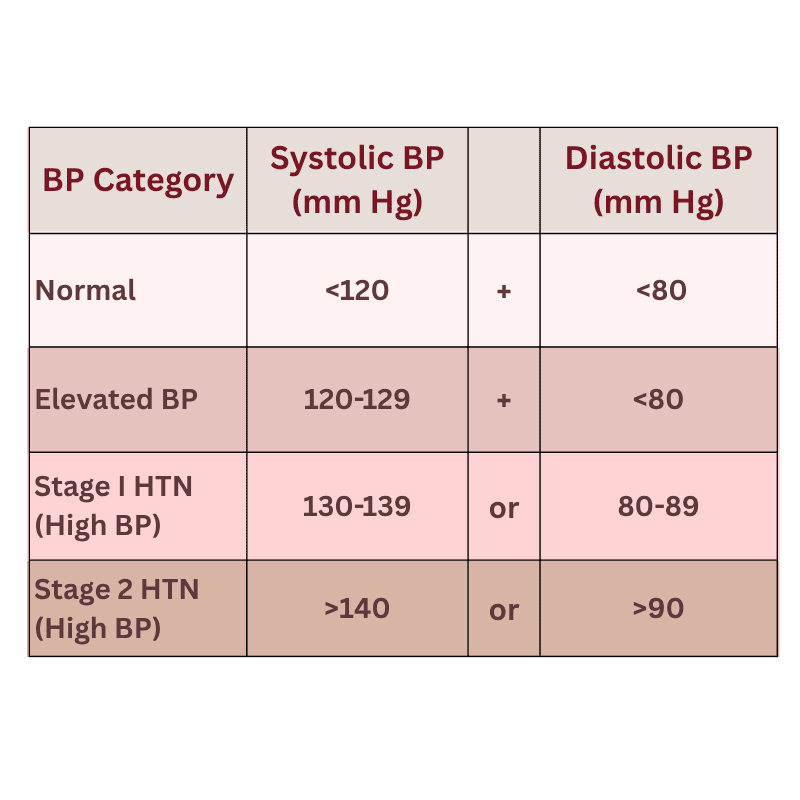
Severe Hypertension -Hypertensive Crisis (Very High BP)
Hypertensive Urgency
- Very High BP without symptoms*
- ≥180 and/or ≥120
- No symptoms
Hypertensive Emergency
- Very High BP with symptoms*/ organ damage
- ≥180 and/or ≥120
- No symptoms
If you have very high BP, call 911 regardless of symptoms
*Symptoms: Chest pain/ discomfort, difficulty breathing or speaking, numbness, weakness, blurred or double vision, and/ or any symptoms noted above in the symptom section.
Know your numbers.
Stay Ahead.
Complications of Hypertension
Persistently elevated blood pressure can affect multiple organ systems over time, often without early warning signs.
Heart (Cardiovascular)
- Coronary artery disease (including myocardial infarction)
- Left ventricular hypertrophy
- Heart failure
- Atrial Fibrillation
Brain (Cerebrovascular)
- Stroke (ischemic and hemorrhagic)
- Transient ischemic attack (TIA)
- Vascular cognitive impairment / dementia
Kidneys (Renal)
- Chronic kidney disease (with progressive decline in kidney function)
- Proteinuria
Blood Vessels & Eyes
- Peripheral artery disease
- Aortic disease (aneurysm, dissection)
- Hypertensive retinopathy
Early identification and sustained blood pressure control can significantly reduce the risk of these complications.
Management of Hypertension
Effective blood pressure management combines sustained lifestyle measures with timely, individualized medical therapy when appropriate.
Lifestyle Foundations
- Heart-healthy, low-sodium nutrition pattern
- Regular physical activity (aerobic + resistance)
- Weight reduction and improved body composition
- Adequate sleep and stress regulation
- Limiting alcohol and avoiding tobacco
Medical Therapy (Guideline-Based, When Needed)
- Recommended based on blood pressure level and overall cardiovascular risk
- Initiated in:
- Stage 2 hypertension
- Stage 1 hypertension with elevated cardiovascular risk
- Persistent elevation despite lifestyle measures
- Presence of target organ effects or comorbid conditions
- Medication selection is individualized
- Combination therapy may be required for adequate control
Monitoring & Long-Term Care
- Regular blood pressure monitoring (home + clinical)
- Periodic reassessment of cardiovascular risk
- Adjustment of therapy over time
- Long-term adherence and follow-up
Sustained lifestyle change remains foundational, with medications introduced thoughtfully to reduce long-term cardiovascular risk.
Prevention & Early Action
Early awareness and consistent lifestyle measures can prevent or delay the development of hypertension and its complications.
Know Your Numbers
- Regular blood pressure screening
- Home monitoring when appropriate
- Awareness of personal risk factors
Act Early
- Address elevated blood pressure before progression
- Focus on sustainable lifestyle changes
- Seek timely medical guidance when needed
Stay Consistent
- Long-term adherence to healthy habits
- Periodic reassessment and follow-up
- Adjusting strategies over time
Small, consistent changes—when started early—can significantly reduce long-term cardiovascular risk.
Don’t let pressure build.
Recognize it early.
Act with intention.
This content is for educational purposes only and is not a substitute for professional medical advice, diagnosis, or treatment. Please consult your physician or qualified healthcare provider for personalized guidance.
Learn more about Aikyaa’s Terms of Use and Copyright Policy →
“Aikyaa” refers to Aikyaa Heart Health & Wellness PLLC.