
Dyslipidemia
A common, silent cardiometabolic condition—shaped by metabolism, lifestyle, and genetics.
What Is Cholesterol?
A vital substance your body needs—when balanced appropriately.
Cholesterol: Overview
- Cholesterol is a fatty substance found in your blood and every cell of your body.
- Your body needs cholesterol to:
- Build cell membranes
- Produce hormones (estrogen, testosterone, cortisol
- Synthesize vitamin D
- Support digestion (bile acids)
- The liver produces most of the cholesterol your body needs. Additional cholesterol comes from dietary sources.
Excess cholesterol—especially certain types—can increase the risk of heart disease and stroke.
Understanding Lipoproteins
Different lipoproteins carry cholesterol through the bloodstream—with distinct roles and effects on cardiovascular risk.
HDL (The “Good”)
Protective lipoprotein involved in cholesterol clearance.
Understanding HDL (High-density lipoprotein)
- What is HDL?
HDL helps remove excess cholesterol from the bloodstream and arterial walls, transporting it back to the liver for processing and elimination (reverse cholesterol transport). - Why it matters
Higher HDL levels are generally associated with lower cardiovascular risk, reflecting more efficient cholesterol clearance. - What supports HDL
- Regular physical activity
- Healthy fats (nuts, seeds, olive oil, fatty fish)
- Weight optimization
- Smoking cessation
Higher HDL supports cholesterol clearance—but overall risk depends on the full lipid profile.
LDL (The “Atherogenic”)
Atherogenic lipoprotein—central to plaque formation.
Understanding LDL (Low-density lipoprotein)
- What is LDL?
Transports cholesterol from the liver to peripheral tissues. - Why it matters
Excess LDL deposits in arterial walls → atherosclerosis → cardiovascular risk. - What raises LDL
- Saturated fats (butter, red meat, processed foods)
- Trans fats
- Excess calories / weight gain
- Genetic factors
Lowering LDL is a primary strategy for reducing cardiovascular risk.
Triglycerides
A key marker of metabolic health and energy balance.
Understanding Triglycerides
- What are triglycerides?
Triglycerides are the primary form of stored fat in the body, derived from excess energy intake—especially refined carbohydrates, sugars, and alcohol. - Why it matters
Elevated levels reflect metabolic imbalance and are associated with insulin resistance, fatty liver, and increased cardiovascular risk. - What raises triglycerides
- Refined carbohydrates and sugars
- Excess calorie intake
- Alcohol
- Physical inactivity
- Insulin resistance / metabolic syndrome (both a cause and effect)
High triglycerides often signal underlying metabolic dysfunction.
Trans Fats
Harmful dietary fats that adversely affect lipid balance.
Understanding Trans Fats
- What are trans fats?
Industrially produced fats formed during partial hydrogenation of oils, commonly found in ultra-processed foods. - Why it matters
Increase LDL, lower HDL, and promote inflammation—contributing to cardiovascular risk. - Common sources
- Packaged and baked goods
- Fried and fast foods
- Margarines and shortenings (partially hydrogenated oils)
Avoid trans fats—they offer no health benefit and increase cardiovascular risk.
Trans fats have been largely reduced or regulated in many countries, but may still be present in some processed foods.
Risk Factors?
Multiple factors—metabolic, lifestyle, and genetic—shape lipid levels.
Modifiable Factors
- Unhealthy diet (high saturated fat, refined carbohydrates)
- Physical inactivity
- Excess body weight
- Alcohol excess
- Tobacco use
Non-Modifiable
- Genetics / familial hypercholesterolemia
- Age
- Sex
Associated Conditions
These conditions co-exist with—and can amplify—lipid abnormalities:
- Diabetes / insulin resistance
- Hypothyroidism
- Chronic kidney disease
- Metabolic syndrome
- Nonalcoholic fatty liver disease
- Polycystic ovary syndrome (PCOS)
Symptoms
Typically asymptomatic—but with important long-term consequences.
Recognizing Dyslipidemia
Dyslipidemia typically has no symptoms, yet it contributes to:
- Coronary artery disease
- Stroke
- Peripheral vascular disease
Also associated with increased risk of:
- Fatty liver disease
- Pancreatitis (with very high triglycerides)
Often silent—early detection through blood testing is essential.
Dietary Patterns
Nutrition directly influences lipid levels and cardiovascular risk.
Healthy fats (support lipid balance):
- Unsaturated fats:
- Olive oil, canola oil
- Nuts (almonds, walnuts)
- Seeds (flax, chia, sesame)
- Avocado
- Fatty fish (salmon, sardines, mackerel)
Fats to limit (adversely affect lipids)
- Saturated fats (butter, ghee in excess, red meat, full-fat dairy)
- Trans fats (partially hydrogenated oils, processed foods)
- Ultra-processed foods
Beyond fats — overall dietary pattern matters
Include more of:
- Vegetables and fruits
- Whole grains (oats, millets, brown rice)
- Legumes and plant proteins
- Lean protein sources
Limit
- Added sugars and refined carbohydrates
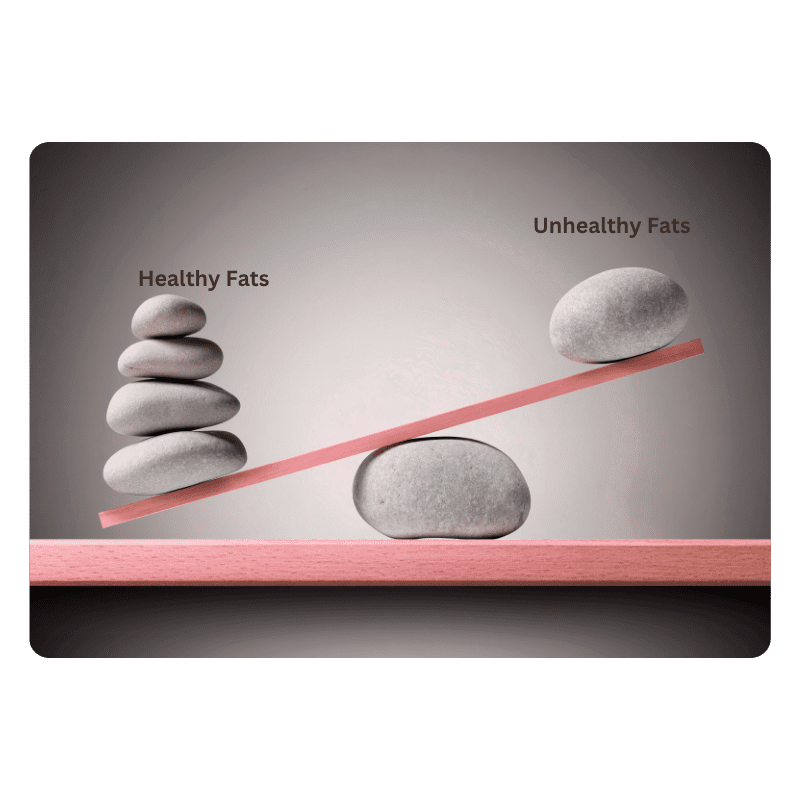
Balance your blood fats. Protect your heart—every choice matters.
Management & Prevention
Long-term control is built through consistent, targeted lifestyle strategies.
Core Strategies
- Heart-healthy dietary patterns
- Regular physical activity
- Weight management
- Adequate sleep
- Stress regulation
- Regular lipid monitoring
Consistent strategies over time lead to meaningful risk reduction.
Recognize early.
Reorient thoughtfully.
Support your cardiovascular health through informed, consistent choices over time.
This content is for educational purposes only and is not a substitute for professional medical advice, diagnosis, or treatment. Please consult your physician or qualified healthcare provider for personalized guidance.
Learn more about Aikyaa’s Terms of Use and Copyright Policy →
“Aikyaa” refers to Aikyaa Heart Health & Wellness PLLC.