
Insulin Resistance
The metabolic link between obesity, diabetes, and cardiometabolic disease
Why is Insulin Resistance Important?
A central driver of cardiometabolic disease with broad systemic impact.
Why It Matters
Insulin resistance:
- A key early driver of metabolic and cardiovascular disease—often preventable or modifiable with timely, targeted lifestyle and medical strategies
- Dictates how the body handles glucose and energy, quietly increasing long-term cardiometabolic risk—even when blood sugar appears normal
Explore the science behind this silent driver—and how to stay ahead of it.
What is Insulin?
A key hormone that regulates how the body uses and stores energy.
Insulin: Overview
- Insulin is a hormone produced by the pancreas
- Helps move glucose from the bloodstream into cells
- Enables cells to use glucose for energy
- Maintains normal blood sugar levels
- Influences how the body stores fat and uses nutrients
Normal Insulin Action
How insulin works under normal conditions to regulate glucose and energy.
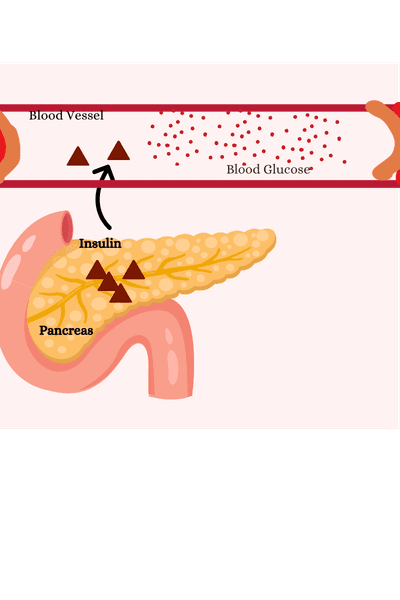
Insulin Release
- Glucose rises after a meal
- Rising blood glucose signals the pancreas to release insulin into the bloodstream
- Insulin acts on many tissues to regulate glucose uptake
Skeletal muscle is the main site of insulin-mediated glucose uptake
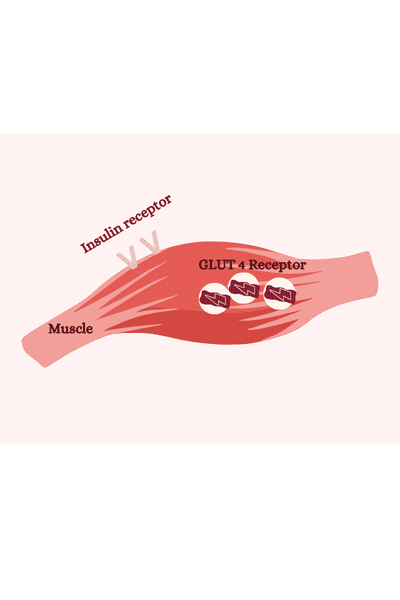
Resting Muscle (Baseline State)
- In the absence of insulin, glucose uptake into muscle cells is limited
- GLUT-4 transporters remain inside the cell
- Blood glucose remains in the circulation
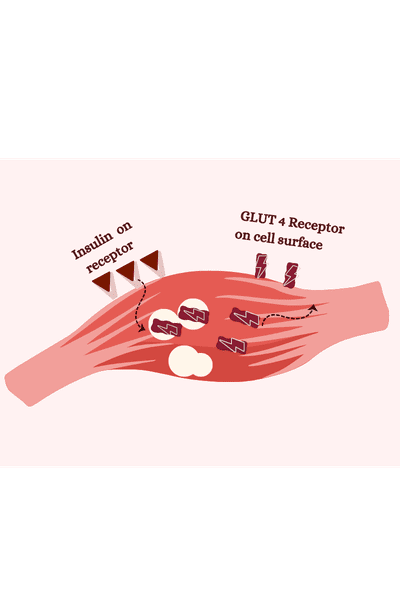
Insulin Signaling
- Insulin binds to receptors on muscle cells
- Activates intracellular signaling pathways
- Triggers movement of GLUT-4 transporters to the cell surface
- This is the key physiological step
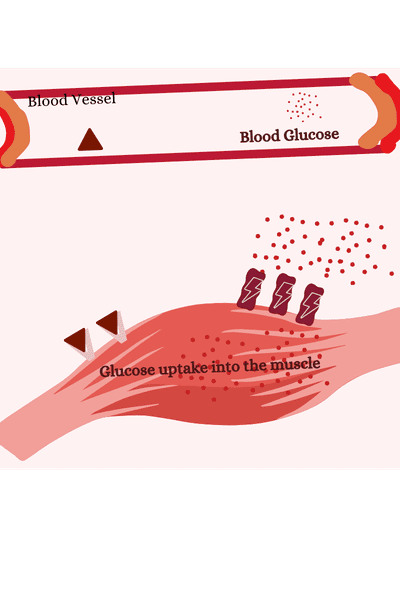
Insulin-Stimulated Glucose Uptake
- Glucose enters cells efficiently for energy and storage
- Blood glucose levels stabilize.
- This is normal insulin sensitivity
What Happens in Insulin Resistance?
When cells respond less effectively to insulin, impairing glucose regulation
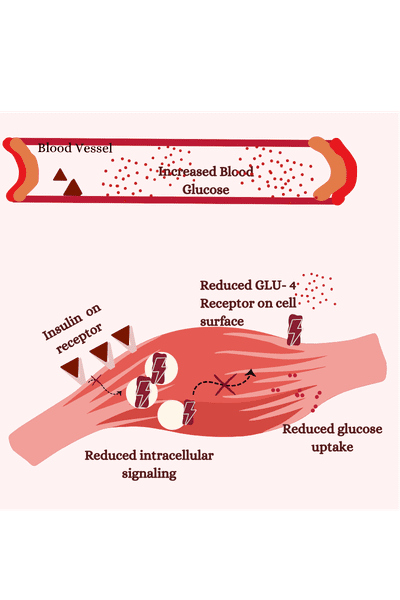
Insulin Resistance
- Insulin levels may be normal or elevated
- Insulin binds to its receptor on the muscle cell surface
- Intracellular insulin signaling is impaired
- GLUT-4 transporters do not move effectively to the cell surface
- Glucose uptake into muscle cells is reduced
- Blood glucose levels remain higher after meals
- The pancreas compensates by producing more insulin
In insulin resistance, insulin is present—but its signal is less effective.
Metabolic Effects of Insulin Resistance
Impaired insulin signaling affects how the body handles glucose, fat, and energy.
What Happens Metabolically
- Glucose remains in the bloodstream, leading to higher blood sugar levels
- Persistent elevation can progress to pre-diabetes and Type 2 diabetes
- The body compensates by producing more insulin (hyperinsulinemia)
- Excess insulin promotes increased fat storage, especially visceral fat
- Impaired fat metabolism leads to higher triglycerides and metabolic imbalance
- Contributes to chronic low-grade inflammation
- Over time, increases risk of cardiometabolic disease
Early metabolic changes occur silently—but have long-term consequences.
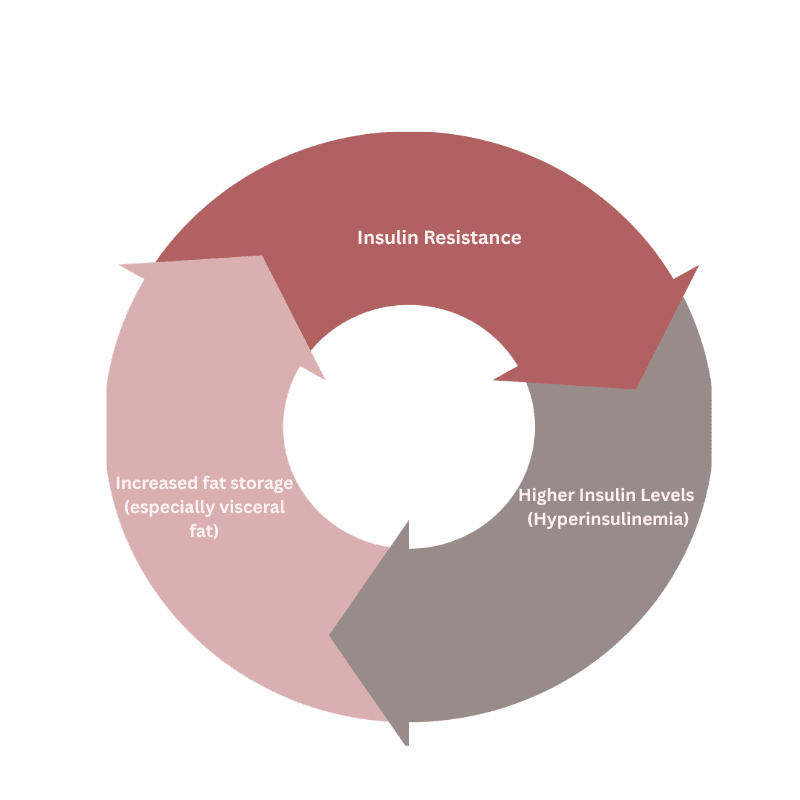
Breaking this cycle early—with timely, targeted lifestyle interventions—is one of the most effective ways to improve cardiometabolic health.
Improving Insulin Resistance (At a Glance)
Insulin resistance can often be prevented, slowed, or improved—especially when addressed early.
Key Strategies
- Nutrition: Favor low-glycemic, minimally processed foods; balance carbohydrates with protein and fiber
- Movement: Regular muscle activity (walking, resistance training, Pilates) improves glucose uptake
- Weight & Body Composition: Even modest reductions in visceral fat improve insulin sensitivity
- Sleep & Stress: Restorative sleep and stress regulation support insulin signaling
- Monitoring & Guidance: Early assessment and individualized medical guidance when appropriate
Small, consistent changes can lead to meaningful improvements in metabolic health.
Understanding physiology supports effective prevention—one step at a time.
This content is for educational purposes only and is not a substitute for professional medical advice, diagnosis, or treatment. Please consult your physician or qualified healthcare provider for personalized guidance.
Learn more about Aikyaa’s Terms of Use and Copyright Policy →
“Aikyaa” refers to Aikyaa Heart Health & Wellness PLLC.